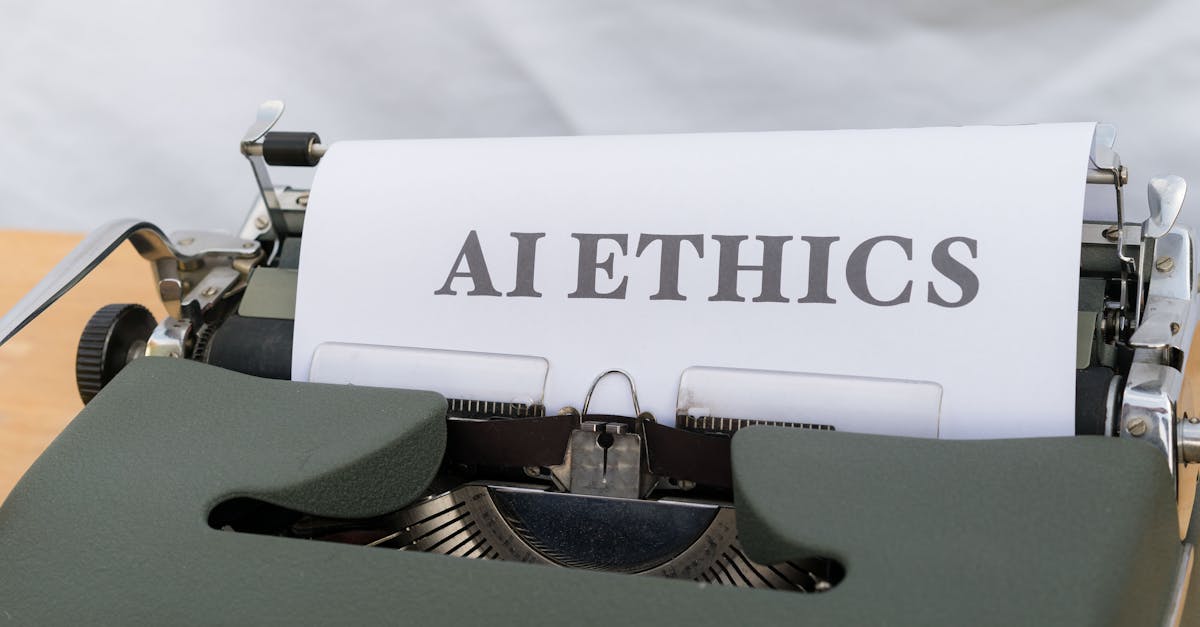
The Importance of Business Ethics in Modern Markets
Have you ever wondered why some companies seem to thrive even during economic downturns while others crumble despite having massive capital? It is not just about the quality of the product or the intensity of the marketing campaign. It comes down to something much deeper, something that acts as the internal compass for every organization: business ethics. In today’s hyper connected market, ethics is no longer a luxury or a side project for the public relations department. It is the very foundation upon which sustainable success is built.
Defining Ethics in the Corporate Arena
When we talk about business ethics, we are essentially talking about how a company treats its people, its customers, its community, and the planet. It is about doing the right thing, especially when no one is watching. Think of it as the character of the business. Just like in our personal lives, our reputation is built on the consistency of our choices. If a business claims to value innovation but steals intellectual property, or claims to care about the environment while ignoring sustainability, the dissonance will eventually tear the brand apart.
The Shift Toward Value Based Consumerism
Modern consumers are not just buying products anymore. They are buying into identities and ideologies. Thanks to social media, the veil has been lifted. If a company treats its workers poorly or engages in shady financial practices, the world knows about it within minutes. This transparency has forced corporations to align their actions with their public statements. You cannot hide behind a fancy logo when your supply chain is failing the basic standards of human rights. Today, a product is only as good as the process used to create it.
Building Trust in a Digital World
Trust is a fragile commodity. It takes years to build, seconds to break, and a lifetime to repair. In the digital economy, trust is the primary currency. When you share your data with a company, you are placing a form of currency in their hands. Companies that misuse this trust by selling data without consent or failing to secure private information are finding themselves on the wrong side of history. Ethical behavior here is simple: respect the user as much as you respect the revenue they bring in.
Transparency as the New Currency
Being open is no longer an option; it is a necessity. Companies that hide their failures behind jargon or legal loopholes are quickly being weeded out by customers who demand honesty. Transparency means admitting mistakes and showing how you are going to fix them. When a CEO stands up and takes responsibility for a product flaw instead of blaming a software glitch, that is where brand loyalty is forged. It is a bold move, but in the long run, it pays dividends.
The Impact of Ethical Conduct on Employee Retention
Your employees are your first set of customers. If they do not believe in the ethical stance of the company, why would anyone else? Top talent today is looking for more than just a paycheck. They want to work for an organization that reflects their personal values. When a company operates with integrity, it fosters a sense of pride among its workforce. This is not just a feel good statement; it is a retention strategy. A workplace where ethics are prioritized is a workplace where innovation flourishes because people feel safe enough to be honest.
Creating a Culture of Accountability
Accountability starts from the moment an employee walks through the door. It is about ensuring that every person in the organization knows that their actions matter. If you reward results regardless of how they were achieved, you are building a house of cards. Instead, you must build a system where the process matters as much as the outcome. This means implementing clear guidelines, open communication channels, and, most importantly, modeling the behavior you expect from everyone else.
Navigating Global Markets with Integrity
Operating across borders brings a whole new set of challenges. Different cultures have different standards of what is considered acceptable behavior. However, the most successful global players understand that while legal codes might change from country to country, ethical standards should be universal. Maintaining integrity in a foreign market often means walking away from lucrative deals that require compromising your principles. It is the hard path, but it prevents long term regulatory and reputational disasters.
Managing Supply Chain Complexities
The global supply chain is like a vast, complex web. It is easy for companies to turn a blind eye to the conditions in the factories at the far end of that web. But today, the public holds the entire chain accountable. If your third tier supplier is using child labor, it is on your company. This requires rigorous auditing and a commitment to working with partners who share your values. It is not just about paperwork; it is about boots on the ground observation.
The Cost of Ethical Lapses
We often talk about the cost of being ethical, but what about the cost of being unethical? The fines, legal fees, loss of market share, and the destruction of brand equity can be fatal. It is like trying to plug a hole in a sinking ship with duct tape. When a scandal hits, the recovery phase can take years. Ethical lapses are not just minor setbacks; they are existential threats. Companies that ignore ethics are essentially gambling with their future existence.
Profitability and Social Responsibility
There is a lingering myth that you have to choose between profit and ethics. This is the biggest misconception in modern business. In reality, ethics and profitability are two sides of the same coin. A company that treats its customers well, pays its employees fairly, and respects the environment will naturally build a more resilient and sustainable brand. This is not just charity; it is sound business strategy. Ethics drive efficiency, loyalty, and long term growth.
The Myth of the Zero Sum Game
Many executives believe that if they spend money on ethics, they have less for growth. This is a narrow view. If you ignore ethics to save a few dollars, you invite risks that will cost you ten times that amount later. It is a zero sum game only if you have a short term horizon. If you look at the next decade rather than the next quarter, you realize that ethical investment is actually a hedge against future volatility.
Leadership Roles in Ethical Governance
Leaders set the weather for the entire organization. If the weather is stormy, it is usually because the leadership has created an environment of fear or greed. Ethical governance is about the structures a leader puts in place to ensure integrity is maintained. This includes whistleblower policies, independent audits, and a commitment to ethical training. It is the backbone of the company. A leader who is not willing to put their reputation on the line for their values is not leading; they are just managing decline.
Setting the Tone from the Top
Have you ever noticed how quickly an organization mirrors the personality of its leader? If the leader is cutthroat and dishonest, that behavior quickly trickles down to middle management and entry level staff. Conversely, a leader who demonstrates empathy, accountability, and honesty creates a team that operates with the same principles. You cannot outsource ethics. It has to start with you, in the boardroom, and in every decision you make, no matter how small.
Future Trends in Corporate Ethics
As we move forward, we are going to see a rise in the importance of artificial intelligence ethics. How companies use AI to monitor employees, target consumers, and manage logistics will define the next wave of ethical discourse. Furthermore, environmental, social, and governance (ESG) reporting is moving from voluntary to mandatory in many parts of the world. Businesses that are proactive in these areas are going to have a massive competitive advantage over those who wait for regulators to force their hand.
Conclusion
The importance of business ethics in modern markets cannot be overstated. It is the difference between a company that survives and one that leaves a lasting, positive legacy. We are living in an era where the walls are made of glass, and everything a business does is visible. By embracing ethics, companies are not just doing the right thing; they are securing their place in the future. It is time to move past the idea that ethics is just a check box. It is the very heart of your organization. Every choice you make, every policy you write, and every interaction you have is a reflection of your commitment to integrity. In the end, the most successful businesses are those that realize they serve more than just their shareholders; they serve the world.
Frequently Asked Questions
1. Why is business ethics considered more important today than it was in the past?
In the age of the internet and social media, information travels instantly. Companies no longer have the luxury of hiding their mistakes behind closed doors. Public scrutiny is higher than ever, and consumers are more educated and values driven, meaning unethical behavior is punished more quickly and severely.
2. Can a company be ethical and still be highly profitable?
Absolutely. In fact, ethical companies often outperform their peers in the long run. By building trust with customers, retaining talented employees, and avoiding legal scandals, ethical businesses create a more sustainable and efficient model that generates higher long term value.
3. How can a small business implement ethical standards on a limited budget?
Ethics does not require a large budget; it requires a commitment to values. Small businesses can start by creating a clear code of conduct, leading by example, being honest with customers, and treating employees with respect. Integrity is free and often the most valuable asset a small business has.
4. What is the role of the board of directors in maintaining ethics?
The board is responsible for setting the tone at the top. They must ensure that the company has strong governance structures, risk management, and oversight. They must hold leadership accountable for their actions and ensure that the organization’s culture is aligned with its stated values.
5. What should an employee do if they witness unethical behavior in their workplace?
First, consult the company’s whistleblower policy or code of ethics. If possible, discuss the concern with a trusted supervisor or human resources representative. If the behavior is serious and internal channels are ineffective, seek advice from an external legal or ethical advisor to understand your rights and options.